🌞 Adaptive Lighting: Home Assistant custom component for auto-adjusting color temperature and brightness of lights based on daylight. 🌙
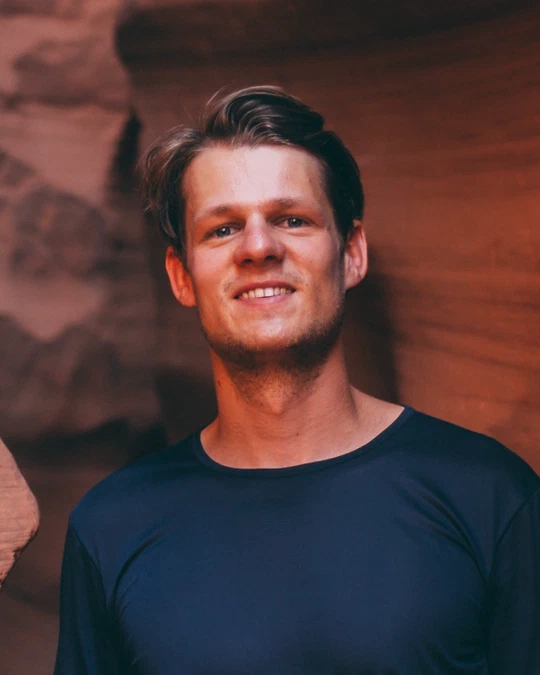
Senior Staff Engineer at IonQ
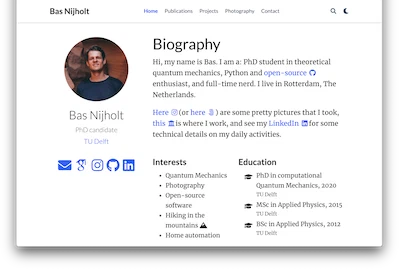
Hi, my name is Bas. I am a: Python and open-source enthusiast, Ph.D. in theoretical quantum mechanics, and full-time nerd. Originally I am from the Netherlands, but currently, I live near Seattle, Washington, USA.
Here (or here ) are some pretty pictures that I took, this is where I did my Ph.D., I work at IonQ (previously at Microsoft Quantum ), and see my LinkedIn for some technical details on my daily activities.
Sparse scribblings on a variety of topics

Open-source, see my GitHub profile
🌞 Adaptive Lighting: Home Assistant custom component for auto-adjusting color temperature and brightness of lights based on daylight. 🌙
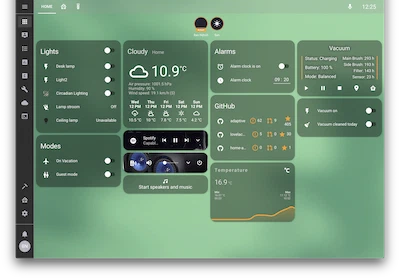
Many things in my house are automated using the Python Home Assistant framework. I’ve built some interseting automations and app, see my config files and AppDaemon apps 🏠 🤖
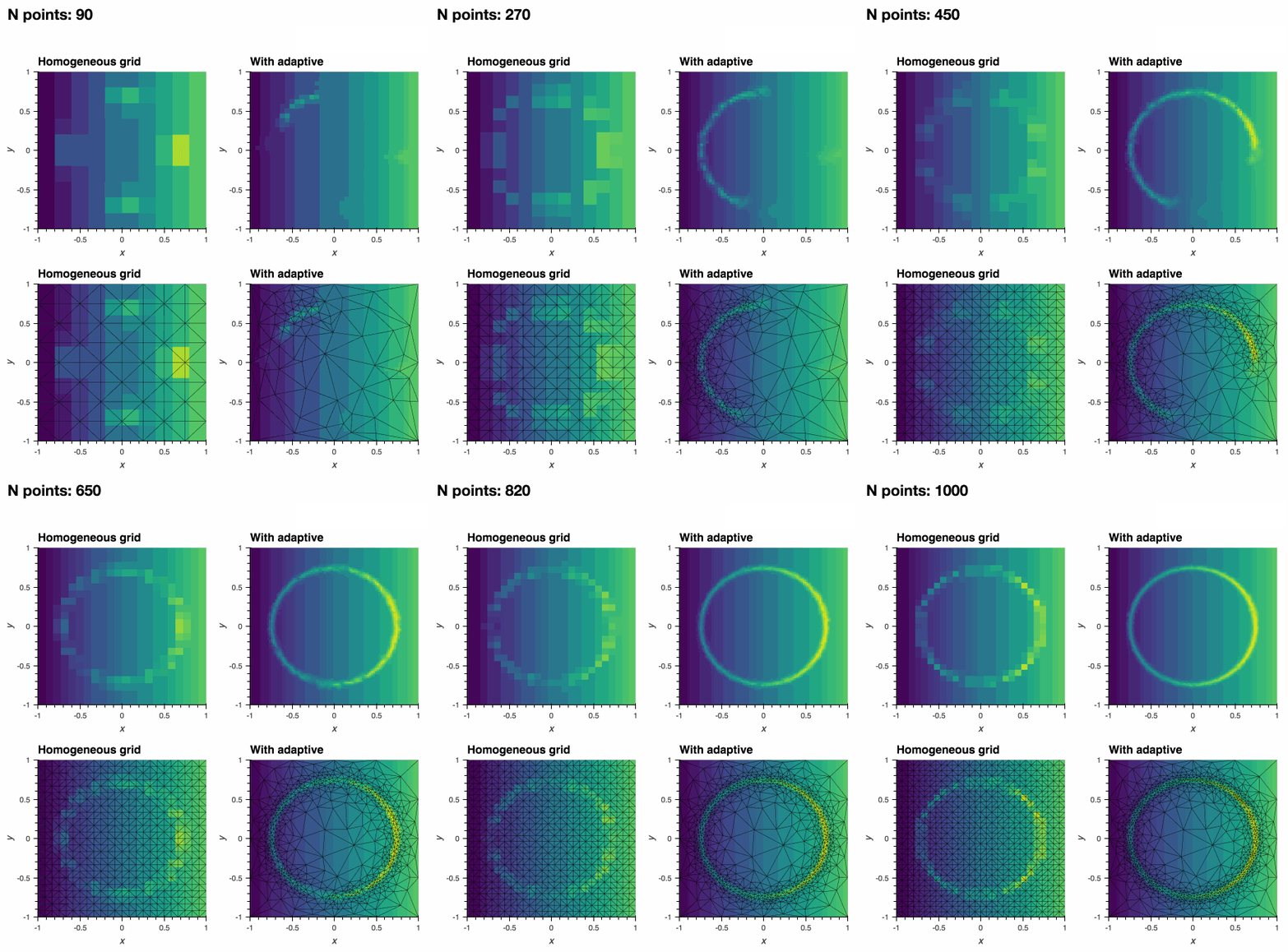
adaptive: tools for adaptive parallel sampling of mathematical functions to speed up simulations by orders of magnitude ⚙️
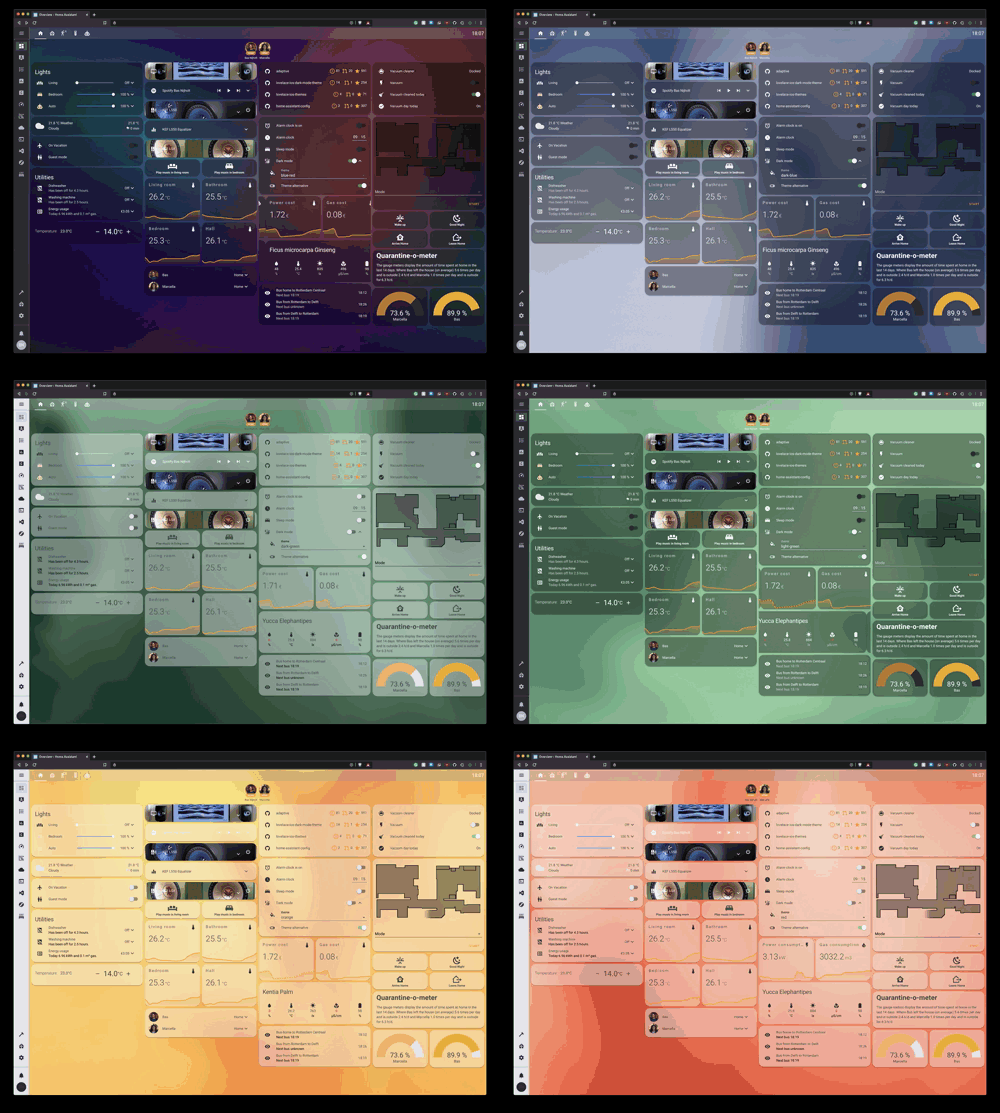
📱 lovelace-ios-themes: Home Assistant themes inspired by iOS Dark and Light Mode, with 28 variants built on HomeKit backgrounds. 🎨
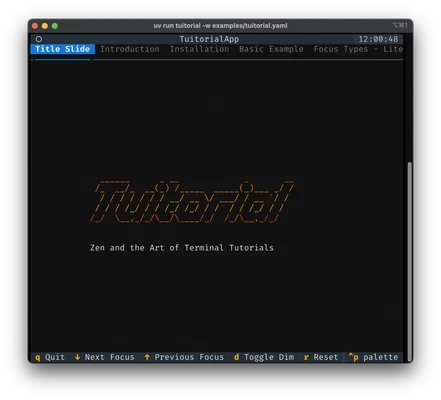

💻 rsync-time-machine.py: Your cross-platform, flexible, and incremental backup solution using rsync, offering Time Machine-style backups with added versatility. 💽🚀. 🔄
🏠 Home Assistant Streamdeck YAML: Control Home Assistant on Stream Deck across all OS with YAML configuration. 🎛️

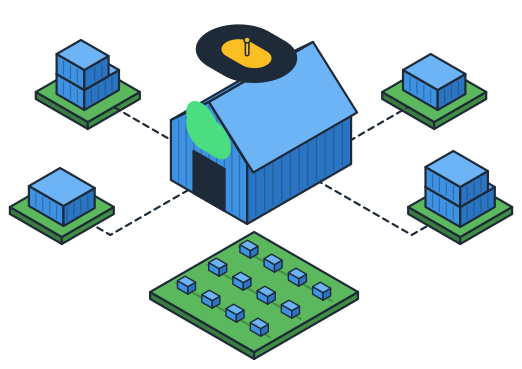
🚜 Compose Farm: Run Docker Compose stacks across multiple hosts over plain SSH, with no agents to install. Stacks stay plain folders you can keep in Git, and cf apply makes the hosts match your config. 🐳
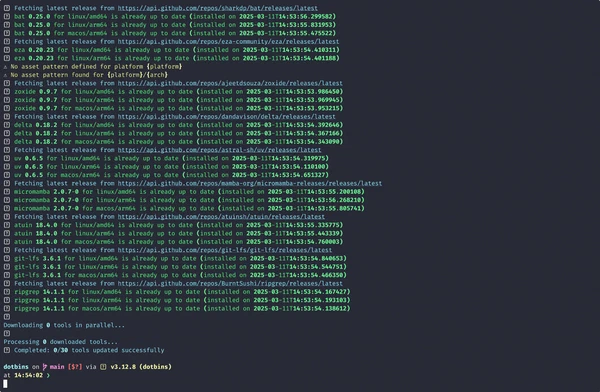




💻 Markdown Code Runner: Auto-execute code blocks in Markdown files and refresh the output in-place. 🔄
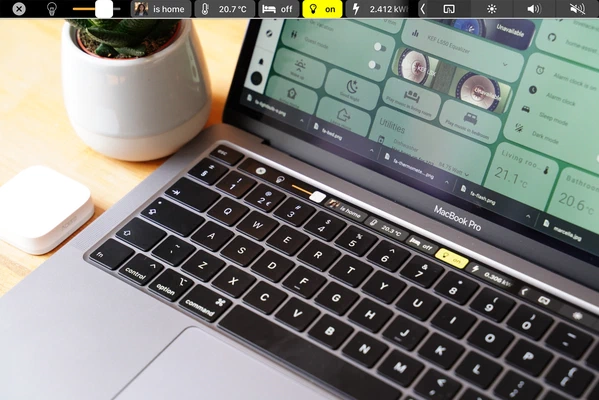
home-assistant-macbook-touch-bar: Displaying sensors and controlling IoT devices using the Macbook Pro’s touch bar 🤖💻
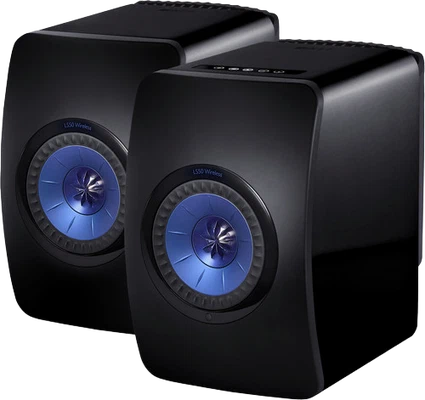
aiokef: An asyncio Python library that provides an API to communicate KEF speakers 🔈
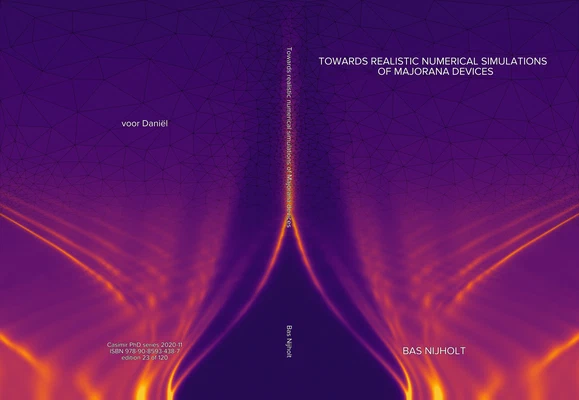
thesis-cover: each unique copy is designed using quantum simulation data, neural networks, machine learning, and Python
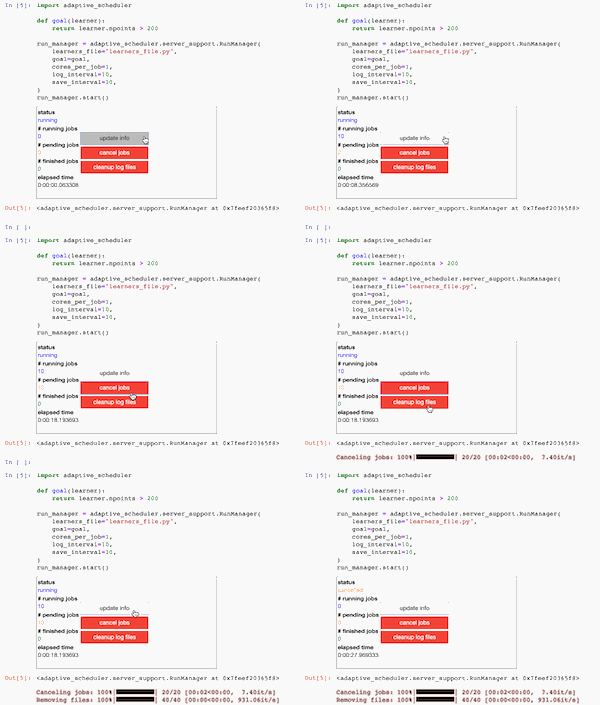
adaptive-scheduler: Run simulations adaptively on many cores (>10k) and easily manage starting and restarting using mpi4py.futures, ipyparallel, or dask-mpi 🎉
🔢 pfapack: Efficient numerical computation of the Pfaffian for dense and banded skew-symmetric matrices, packaging the algorithms from arXiv:1102.3440 by Michael Wimmer. 🧮
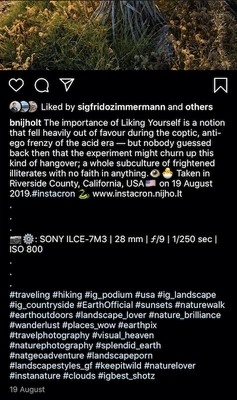
instacron: Instagram for the lazy - automatically upload a photo to Instagram with autogenerated caption containing #hashtags, a quote, and camera information 📸🌅
🤝 zfs-tenant: Give a friend a quota-capped corner of your ZFS pool for their raw encrypted backups, without giving them a shell. Their keys never leave their house, so you can’t read what they store. 💾
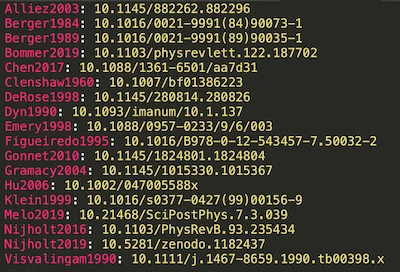
yaml2bib: Convert a readable yaml file with DOIs only to a properly formatted BibTeX file. 📃
🔁 pixi-to-conda-lock: Convert a pixi.lock into a conda-lock.yml, so you can use the fast pixi solver and still ship a conda-lock file. 🐍
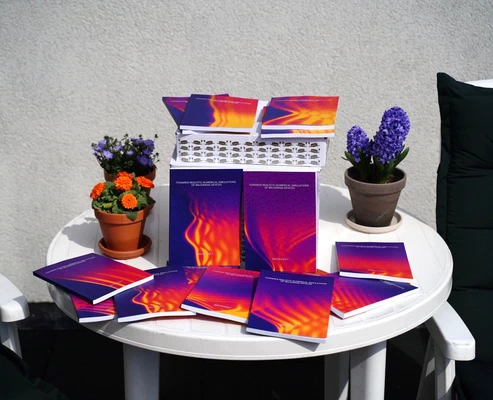
thesis.pdf: Towards realistic numerical simulations of Majorana devices (2020)
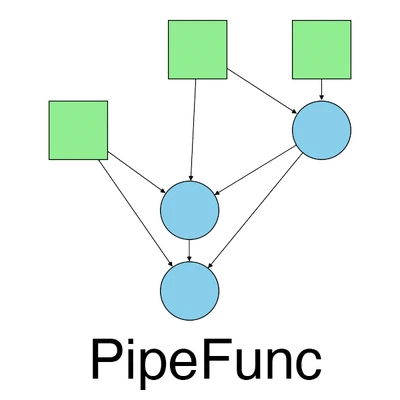
🕸️ graphviz-anywidget: Interactive Graphviz widget for Jupyter with search, highlighting, and graph traversal, rendered by Graphviz compiled to WebAssembly. Built to visualize pipefunc pipelines. 🔍
🎤 wyoming-mlx-whisper: Wyoming protocol server for near real-time Whisper speech-to-text on Apple Silicon, for use with Home Assistant voice or agent-cli. 🍏

🖥️ slurm-usage: Save SLURM job efficiency metrics to Parquet before SLURM purges them after 30 days, and chart CPU, memory, and node usage per user and group. 📈
🔎 CodeStructure: Extract Python code signatures without execution, providing a clear structure overview. 📚
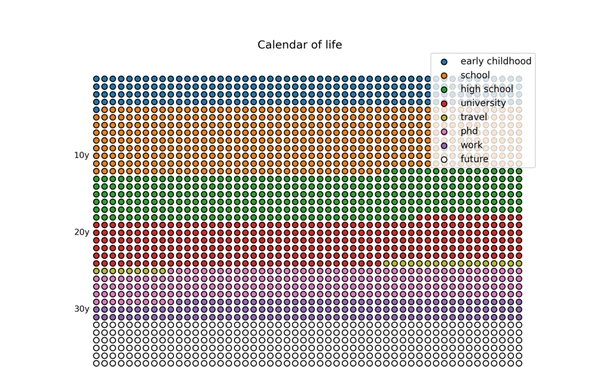
📅 calendar-of-life: Plot your life as a grid with one dot per week and one row per year, colored by life stage. Inspired by Kurzgesagt and Tim Urban. ⏳
📋 clip-files: Copy all files of a given type in a project to your clipboard, with their paths and a token count, ready to paste into ChatGPT or Claude. 🤖
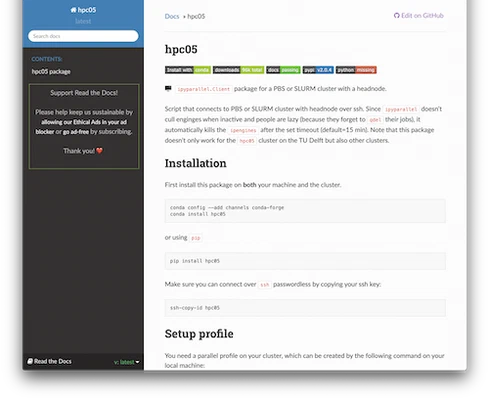
hpc05: a thin wrapper around ipyparallel to easily start workers remotely on a HPC cluster 🖥
ipynb_git_filters: remove ipynb’s output on each commit to keep a clean history. Not very smart but very useful 🤖
🏷️ calver-auto-release: GitHub Action that creates a release with a Calendar Versioning (CalVer) tag on every commit to main. 📅

🔑 zfs-unlock: Unlock encrypted OpenZFS datasets automatically after every reboot, while the passphrases stay on a separate device (a Raspberry Pi, say) and travel over a restricted SSH channel. 🔒
⬇️ gh-download: Download files or folders from GitHub repositories, including private ones, using your existing gh CLI login. 📁

numthreads: Simple Python package to set the number of threads used by OpenBLAS, MKL, OMP, NumExpr, and Accelerate


🔌 matrix-mcp: Lets Claude Code, Codex, and other MCP clients read and write Matrix chats, including end-to-end encrypted rooms, so local coding agents can join MindRoom conversations. 💬
🗃️ github-backup-sync: Mirror every GitHub repository you have access to into local bare clones, with the gh CLI handling authentication. 💽
💰 tiller-streamlit: Streamlit dashboard and JSON API for the personal finance data in a Tiller spreadsheet. 📊
⚡ pytest-shm: pytest plugin that puts temporary files on the /dev/shm tmpfs, so test suites that fsync stop waiting on the disk. 🧪
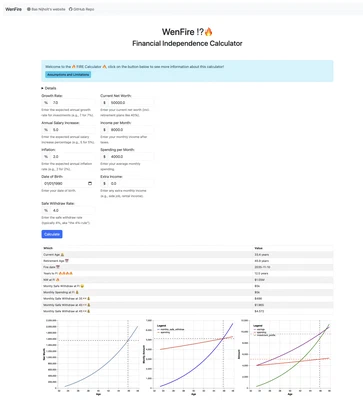
WenFire: WebApp visualizing your path to financial independence, built with personalizable assumptions and interactive visualizations. Ignite your journey to early retirement! 💸
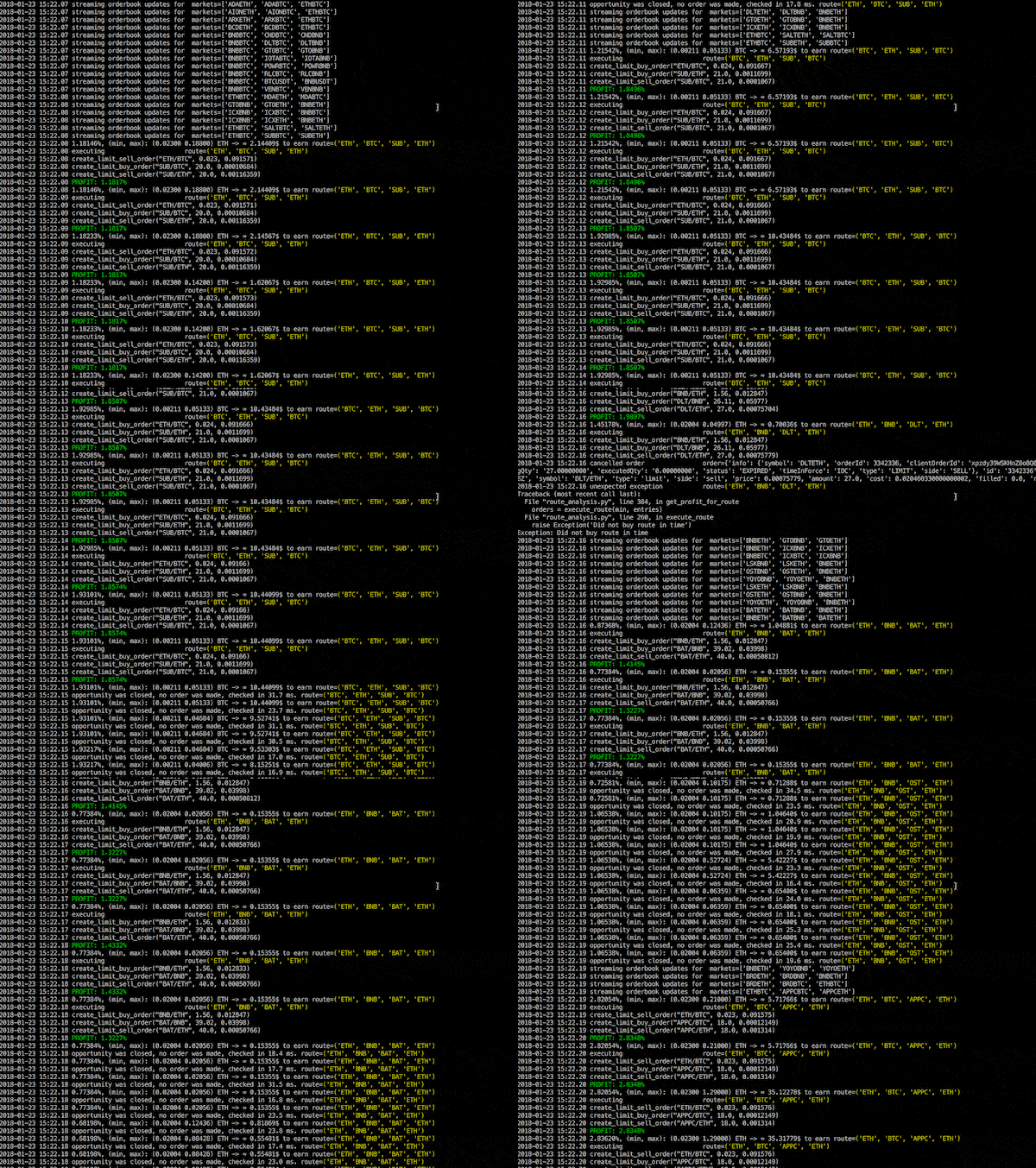
crypto-bot: an async cryptocurrency bot using zmq, asyncio, websockets and mad triangular arbitrage trading strategies ♲💵
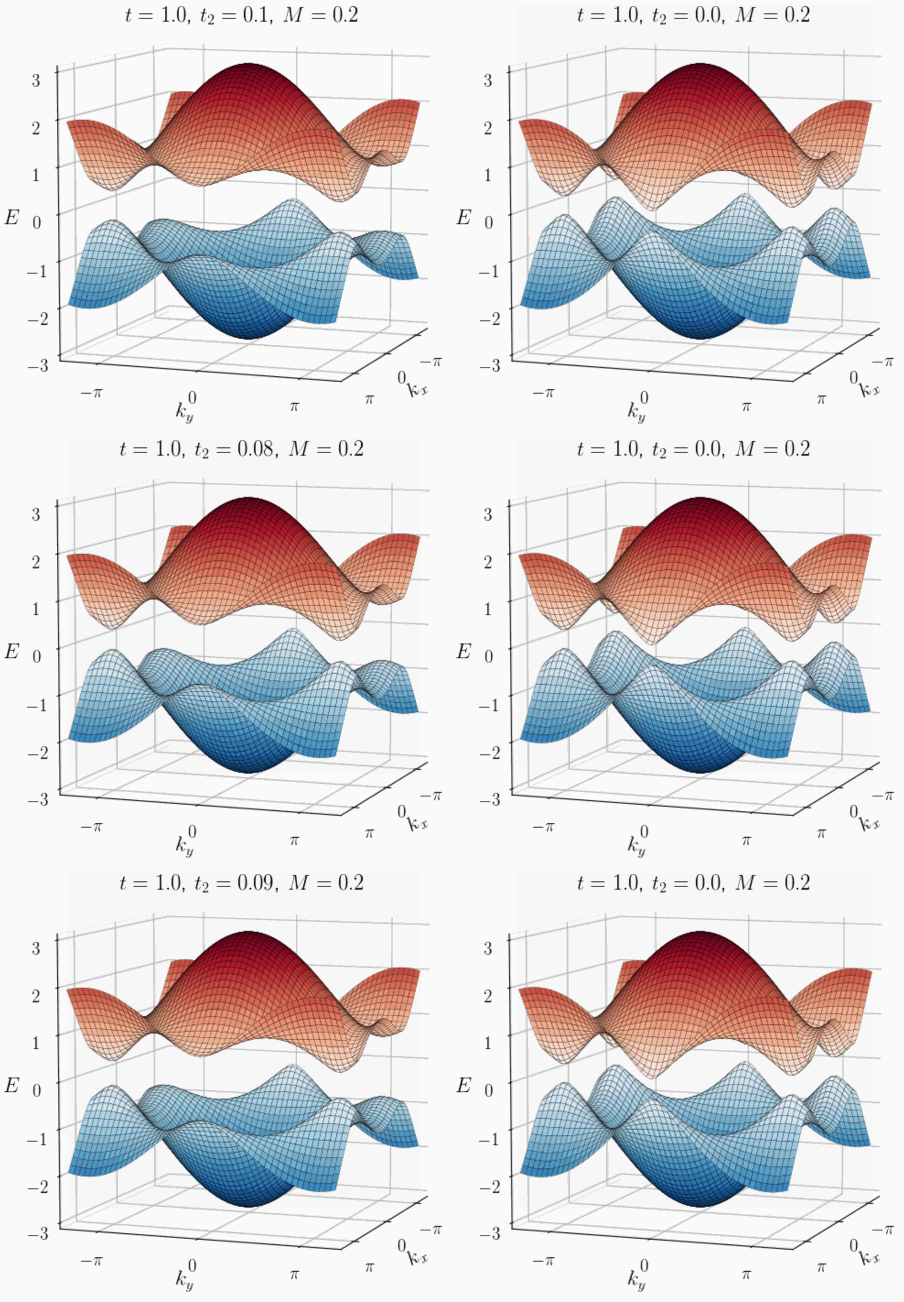
Tying Quantum Knots. An online course for which I wrote a lot of code. See the course website which is generated using these Jupyter notebooks.
The hobby
I enjoy traveling and photography.
The best photos I would like to share with the world, however, the problem is that I am too lazy to do so, therefore I wrote a program (instacron ) that will do that job for me.
It takes a photo and adds: a random quote, camera and location info, and #hashtags related to the photo.
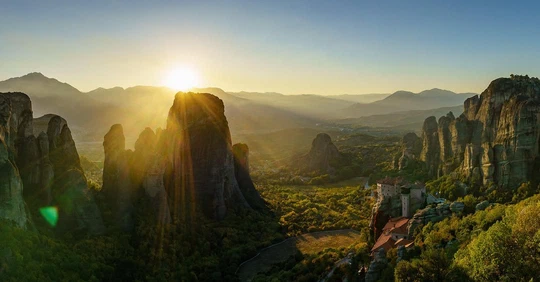

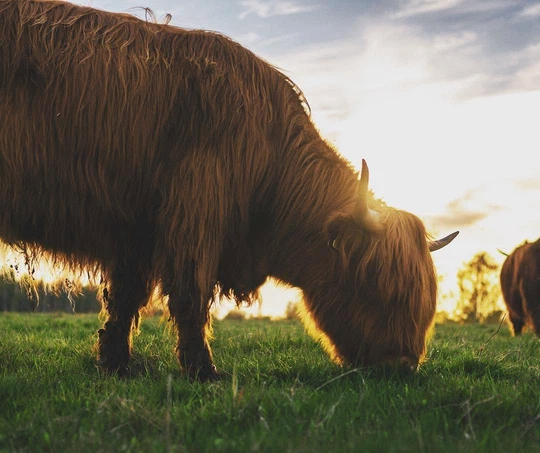
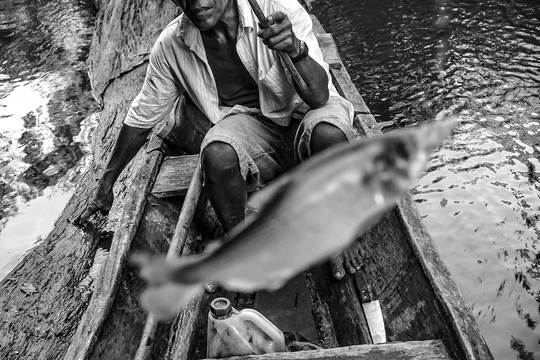
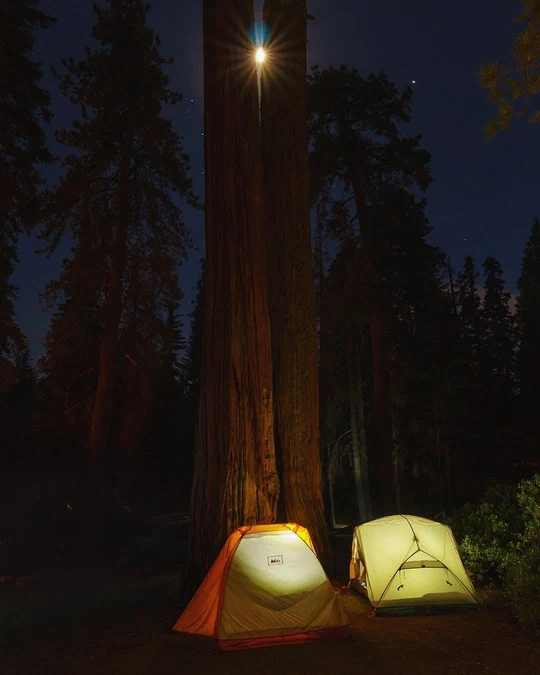
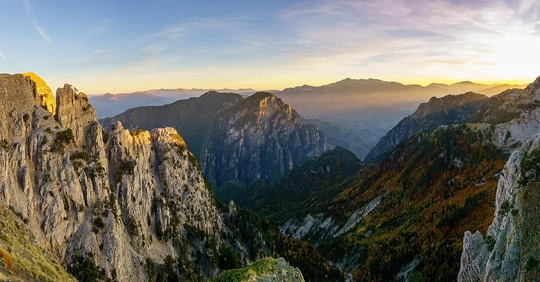
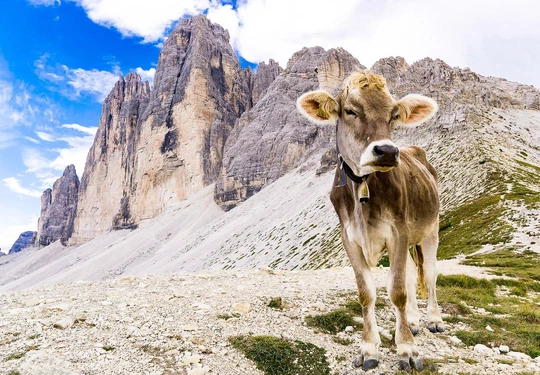


More photos on Instagram.
Citation metrics at Google Scholar
Physical Review Research (PRR), July 2026
Nature, February 2025
US Patent 11,808,796 B2, November 2023
Physical Review B (PRB), November 2022
Preprint, September 2021
Physical Review Letters (PRL), August 2020
Ph.D. thesis, May 2020
SciPost Physics (SciPost Phys.), November 2019
Physical Review Letters (PRL), May 2019
Physical Review Letters (PRL), November 2017
Physical Review B (PRB), March 2017
Nucleic Acids Research (NAR), February 2017
Physical Review B (PRB), June 2016
Nano letters (Nano Lett.), April 2016
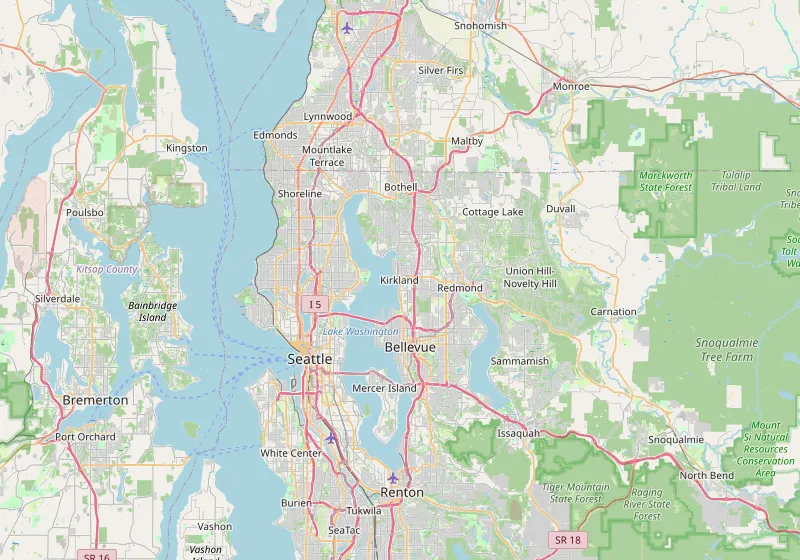 © OpenStreetMap contributors
Kirkland, WashingtonOpenStreetMap
© OpenStreetMap contributors
Kirkland, WashingtonOpenStreetMap